
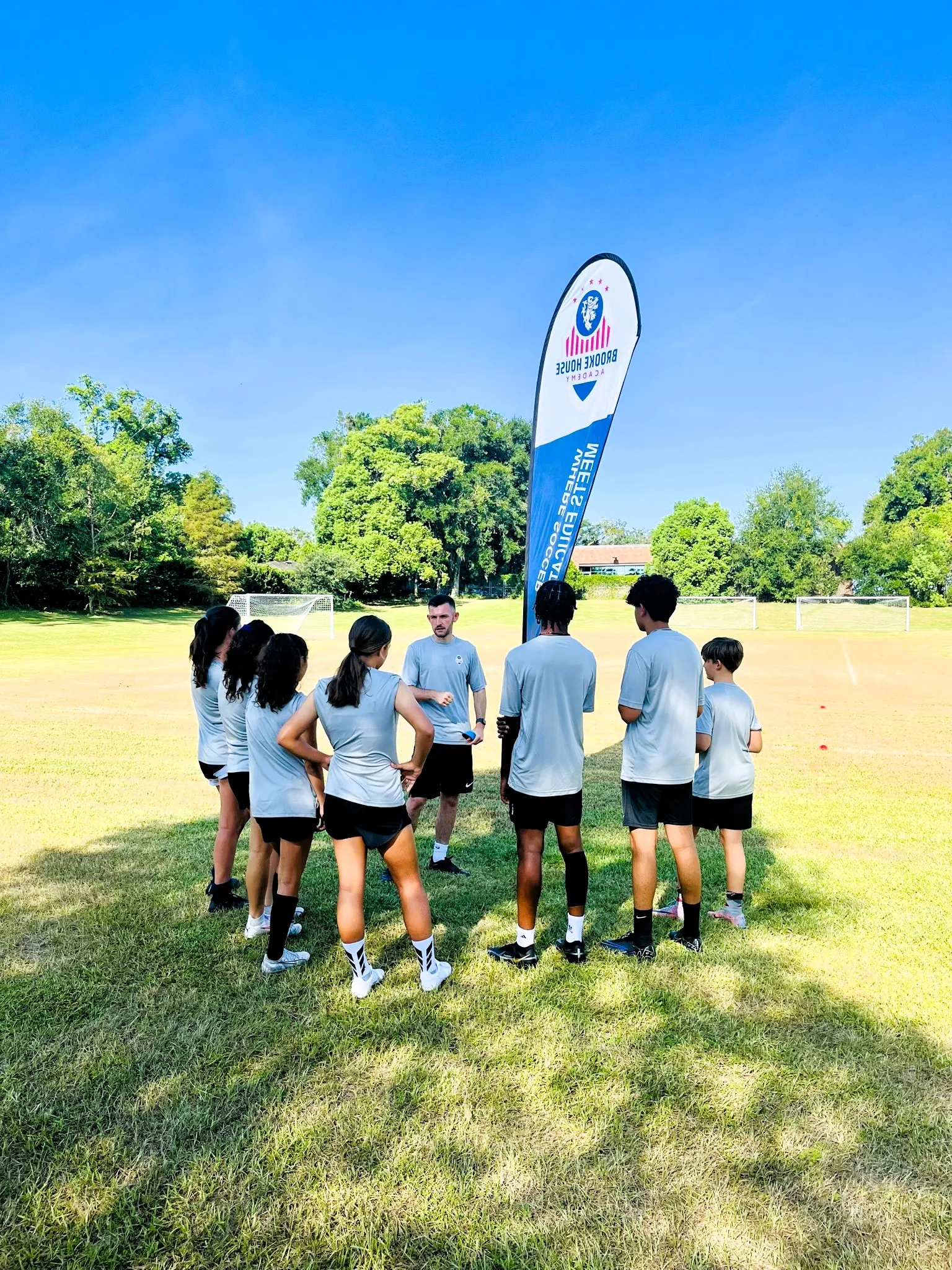
A productive soccer day is not one packed from morning to night. For a young player, the useful routine is the one that leaves room to learn at school, arrive ready to train, eat and recover, then reset for tomorrow. The exact clock will look different for every family. The sequence, however, can stay reassuringly simple.
This framework is for players balancing school and team soccer, not a prescription for a professional schedule. Use it to spot the pressure points in a normal training day, then adjust it with the player’s coach, school commitments and family routine in mind. A good plan makes the important choices easier when the week gets busy.
Start by planning the night before
The most reliable soccer player daily routine often begins before the alarm. Pack school materials, training gear, cleats, a water bottle and anything needed for the ride home. Check the weather, the training location and the next morning’s first commitment. Those small decisions remove friction from a rushed start.
Put the next day on one visible calendar. Include class deadlines, training, games, travel and family commitments. This gives the player a realistic picture of the day instead of a string of surprises. If a test and a late practice fall on the same day, the solution is usually to begin the school task earlier, not to expect a tired player to solve it all at night.
Keep the setup short. The goal is not to make a color-coded system that needs constant maintenance. It is to answer three questions before bed: What do I need to bring? What is the first thing I need to do? Where will I have time to eat, work or rest?

Make the morning calm and repeatable
A training day does not need an elaborate pre-dawn routine. For most school-age players, a calm start is more valuable than adding another workout before class. Wake with enough time to get ready, eat a breakfast that the player tolerates well and leave without scrambling for missing equipment.
Breakfast is especially easy to skip when school begins early. Research with academy players has identified packed school-and-training days as a practical barrier to regular meals, particularly before school and around training. That does not mean every player needs the same breakfast. It means the family should decide what is realistic, have it available and avoid making the morning so rushed that food becomes an afterthought.
Hydration can begin with the same calm approach. The National Federation of State High School Associations hydration guidance advises athletes to drink before, during and after activity, while noting that water is sufficient in many normal settings. A player with a medical condition, unusual heat exposure or a question about nutrition should follow advice from a qualified clinician or sports professional.
Use the school day to protect the evening
School is not a pause between soccer sessions. It is a core part of a student-athlete’s day. A player who knows that training will run late can use a study period, lunch break or a short block after school for the task that needs real concentration. The aim is to stop every assignment from sliding into the final hour of the night.
Choose one academic priority for the day. It might be starting a project, finishing a problem set or asking a teacher about a difficult concept. Make that priority specific enough to finish or move forward in one sitting. “Study science” is vague. “Complete the worksheet and mark two questions to ask about tomorrow” creates a clear finish line.
Our student-athlete time management guide explains how a weekly view can keep training, travel and deadlines in the same picture. On a normal day, though, the routine can be even simpler: know the next school task before leaving for practice.

Build a dependable pre-training handoff
The hour between school and training is where many days unravel. A player may be hungry, tired, looking for gear or trying to finish work on a phone in the car. Treat that transition as its own part of the routine. Decide in advance how the player gets to training, where equipment lives and what food or drink needs to travel with them.
A pre-training snack should be practical rather than perfect. The right choice depends on the player, session length, timing and family preferences. Keep familiar options available and avoid making major changes on an important match day without guidance from a qualified professional. The goal is to arrive prepared to work, not to chase a complicated food plan.
Players who train with more than one group need extra clarity. Football Australia’s youth training guidelines note that multiple teams and programs can make alignment difficult. The same guidance encourages recovery time between sessions and reducing load during stressful periods such as exams. A shared calendar and an honest conversation with coaches can prevent one crowded week from becoming the player’s normal.
Give training one clear purpose
Training does not need to solve every part of a player’s game in one afternoon. Before the session, choose one simple focus: communicate earlier, scan before receiving, defend with better body position or bring more care to the first touch. That focus gives the player something to notice without turning a team session into a personal checklist.
Keep individual work purposeful too. A short touch session, a few wall passes or a focused strength session can complement team training when it fits the week. It should not become an automatic extra workout added after every session. Quality repetition needs energy and attention. When a player is depleted, sleep, food and a lighter day may be the smarter choice.
For a focused technical session, use our first touch soccer drills as a simple progression from clean contact to decision-making. The player should finish with the sense that they practiced one detail well, not that they tried to do everything.

Let recovery be a real part of the day
Recovery is not something a player earns only after an intense game. It is the normal handoff from training back into the rest of life. After the session, allow time to eat, rehydrate, shower and decompress before asking for high-concentration schoolwork. The exact timing will vary, but a rushed, overstimulated return home makes every later task feel harder.
Notice patterns rather than overreacting to one tired day. Is the player regularly unable to finish homework because training ends late? Are there several hard sessions in a row? Is a growth spurt, school exam period or travel week changing how the player feels? These are good reasons to communicate early, not reasons to make a young athlete push through every warning sign.
A lighter session can still be a valuable development day. Our soccer recovery guide gives families a practical way to think about the day after a demanding match. A routine that includes recovery is not less ambitious. It gives a player a better chance to be consistent across a full season.
Keep match days and hard weeks distinct
A normal training-day framework should flex when a match, tournament or school deadline arrives. The day before a game may call for less individual work, more preparation and an earlier night. A tournament weekend may make Monday a lighter day. During exam weeks, a player and family may need to reduce optional sessions instead of hoping every usual activity will fit unchanged.
That adjustment is not a loss of discipline. It is good decision-making. Football Australia’s youth guidance specifically recommends considering a lower overall training load during stressful periods, including school exams. Players grow, mature and respond to training differently, so a coach or qualified health professional is the right person to help when fatigue, pain, recurring illness or a marked change in mood persists.
Use a short weekly check-in to notice the difference between a busy but manageable week and one that needs a reset. Ask: What is fixed? What can move? What needs an adult conversation? Those questions help a young player build the judgment to take training seriously without treating exhaustion as a badge of commitment.
Protect the final hour before bed
Evenings can become a race between dinner, homework, messages, gear and sleep. Create a short landing routine instead. Check tomorrow’s calendar, finish the most important remaining task, pack what is needed and let the player wind down. Screens, conversations and household routines differ from family to family, so aim for a repeatable sequence rather than a rigid bedtime script.
If homework regularly takes late into the evening, work backward. Is there a task that could move to a study period? Is the workload clear? Does a teacher or coach need to know about an upcoming travel commitment? The answer is rarely to keep tightening the schedule. A sustainable routine needs enough margin to absorb a late game, a difficult assignment or an unexpected change.
Improvement is built on ordinary days repeated well. The player who shows up organized, learns at school, trains with attention and returns home with a way to reset is building habits that can carry into the next level of soccer and education.

A sample framework, not a rigid timetable
Use the order below as a framework and adapt the times to the player’s real school and training schedule:
- Night before: pack, check the calendar and name tomorrow’s school priority.
- Morning: get ready without rushing, eat what works for the player and leave with gear accounted for.
- School day: use one focused block for the academic task that will matter most later.
- Before training: make the handoff easy with transport, familiar food and a clear plan for equipment.
- Training: work on one purposeful detail and communicate when the total load is unusually high.
- After training: eat, hydrate, reset and choose only the remaining schoolwork that is realistic.
- Evening: prepare tomorrow, wind down and protect rest.
The framework becomes more useful when the player has a voice in it. Ask what part of the day feels rushed, what gets forgotten and what makes training harder than it needs to be. Small changes tend to last longer than a complete routine overhaul.
How Brooke House Academy supports the whole player
At Brooke House Academy, academics and soccer development are part of the same school-day environment. That gives student-athletes a clearer way to build routines around learning, training and recovery instead of treating each as a separate demand.
Families can explore the Academy’s academic approach, review a typical daily schedule and learn more about the soccer program. When the time is right, Admissions can help your family start a conversation about the environment that fits your player now.
Frequently asked questions
What should a soccer player do before school on a training day?
Keep the morning simple and repeatable. Prepare school and training gear the night before, eat a breakfast that works for the player and leave with enough time to arrive settled. A complicated morning routine rarely survives a busy week.
Should young soccer players train every day?
Not necessarily. A player’s schedule should account for age, maturity, team commitments, school demands and recovery. Rest, lighter days and communication with coaches are part of sensible development, especially when a player is already training with more than one group.
How can a parent help with a soccer routine?
Parents can help by making the next day easier to start: keep a visible family calendar, plan practical food and transport, and ask a brief question about the player’s week. The routine should help the player learn ownership, not turn every part of the day into supervision.
What if schoolwork and soccer commitments collide?
Address the conflict early. The student should identify the nearest deadline, speak with the relevant teacher or coach and choose the next realistic action. Planning earlier and reducing optional activity during an unusually demanding week is usually more effective than trying to catch up late at night.
Related posts

First Touch Soccer Drills
Five progressive first touch soccer drills that help young players receive with purpose, scan earlier and make the next action easier.
Read the guide →
How to Improve Soccer Skills: A Practical Plan
A practical guide for young players who want to improve their soccer skills with purposeful practice, better game awareness and a routine they can sustain.
Read the guide →