Camila Adame playing soccer during a match
Grades 6-12

Girls soccer academy in Florida.

A school-day environment for female student-athletes who want their academics, development and next steps to move forward together.

A stronger weekly rhythm

Ambition needs room to grow.

For many girls who love soccer, the hardest part is not finding another team. It is finding a routine that lets them take the game seriously without asking school, recovery, friendships and family life to compete for the same hours. As a player develops, that balancing act becomes more demanding. A busy calendar can make it difficult to train with purpose, stay ahead of coursework and still have the energy to enjoy the process.

Brooke House Academy brings those parts of the week into one purposeful school-day environment. Students work through Florida Virtual School coursework with on-site support, then train, build strength and conditioning habits, receive coaching feedback and learn to take ownership of the work in front of them. The goal is not to promise one result for every player. It is to create a stable setting where a young woman can build confidence, consistency and a clearer sense of what she wants to pursue.

01

School stays in the plan.

Soccer goals should not force schoolwork into the margins. Brooke House combines flexible coursework with a structured learning environment and on-site support, helping students keep academic momentum while their training commitments become more serious.

Explore academics
02

Development has direction.

Productive training is more than adding hours to the week. Technical and tactical field work, physical development, individual goals and coaching feedback help players understand what they are working on and why it matters.

Explore player development
03

A women's pathway in view.

Brooke House FC includes a women's USL W League team, so female students can see a senior environment within the same organization. It makes the standards beyond youth soccer more visible, while keeping the focus on preparation and progress.

See the senior pathway
For the student and player

More purpose, not just more pressure.

Every player arrives with a different starting point. One might be ready for a more focused rhythm around training. Another may need support managing the transition into high school while staying connected to the sport. Some are beginning to explore college soccer or want to understand the level of commitment that more competitive environments require. Others simply need a place where adults understand why the game matters to them while still seeing the whole student.

A useful academy does not try to make that decision for your family with a highlight reel or a shortcut. It gives you a clear picture of the day, the people supporting it and the habits a student will be asked to build. Brooke House gives families a chance to discuss a player's current routine, academic needs and soccer goals in a school setting, where those pieces can be considered together.

That shared view can make a real difference when a week becomes difficult. A demanding deadline, a run of matches, travel, an injury or a dip in confidence can affect more than one part of a young person's life. When learning, training and support are part of the same day, staff can help a student respond with a plan instead of letting one setback spill into everything else. The student still owns the work. She also has a steadier environment in which to do it.

Progress will not look the same for every girl. It may show up in stronger time management, more confident communication, better training habits or a clearer understanding of what comes next. Those gains matter because they give a player more options, on the field and beyond it.


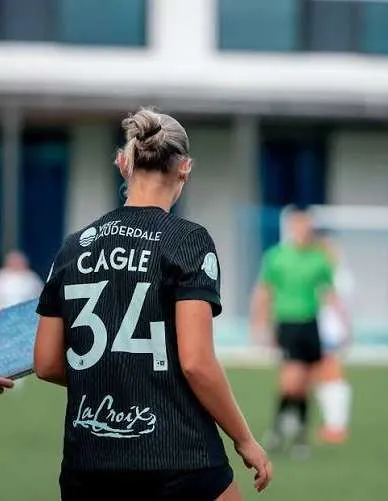
Jules Cagle playing for Fort Lauderdale United
A complete school day

Give the work a useful rhythm.

A student-athlete's week needs more than class time and field time. She needs room to learn, train, refuel, recover, review and come back ready to work again. That rhythm is where consistency is built, long before a player sees the result in a match.

At Brooke House, academics, soccer development, strength and conditioning, individual feedback and personal responsibility each have a place in the day. Families can see how the schedule works, then ask the practical questions that help them judge whether the setting suits their daughter.

The right questions go beyond where a team plays. Ask how a student keeps coursework moving, how progress is discussed, how recovery fits into the week and who notices when she needs support. Those answers reveal whether a program has the structure to help a young player grow through the challenge.

View example schedules
Questions for your visit

Look for the details behind the promise.

  1. How does schoolwork stay moving?Ask who supports coursework, how deadlines are managed and what happens when a student's soccer schedule becomes more demanding.
  2. What will my player work on?Look for a clear explanation of coaching feedback, individual goals, physical development and how progress is reviewed over time.
  3. How does the week protect recovery?A sustainable environment should explain how learning, field work, strength work and the ordinary demands of student life fit together.
  4. What can she see herself working toward?Ask about the next steps that are genuinely available, the standards they require and the habits that help a player prepare for them.
A pathway with perspective

See what senior women's soccer demands.

Brooke House FC's women's USL W League team gives female student-athletes a visible senior environment within the Brooke House family. That is valuable because it makes the standards beyond youth soccer easier to understand. Players can see the pace, accountability and preparation that stronger environments require without being told that there is a guaranteed outcome.

The pathway is there to widen a student's perspective, not to rush her past the work that matters now. A stronger daily rhythm, academic momentum, reliable communication and a more thoughtful relationship with training are meaningful outcomes in their own right. They also help a player make more informed choices when she is ready to explore what comes next.

Brooke House Academy currently serves families in Maitland, Jacksonville and Tampa. Visiting a campus gives your family the clearest way to see the people, spaces and daily expectations behind the Academy experience. Bring the questions that matter most to your daughter's next stage, and use the visit to decide whether the environment is the right place for her to build.

Explore campuses
Brooke House Academy campus
Frequently asked questions

What families ask first.

Who can attend Brooke House Academy?

Brooke House Academy serves female student-athletes in grades 6-12. A campus tour is the best way to discuss your student's grade, current soccer experience and campus availability.

Is Brooke House Academy a school or a soccer program?

It is a private school for student-athletes. Academics, soccer development, strength and conditioning, and personal development are planned as part of the same school day.

How does Brooke House support girls' soccer development?

Students work on technical, tactical and physical development alongside schoolwork, with coaching feedback, strength and conditioning, and a routine that leaves room for recovery and academic support.

What is Brooke House FC's USL W League team?

Brooke House FC operates a women's team in the USL W League. It gives female student-athletes a visible senior soccer environment within the wider Brooke House family and a clearer view of the standards beyond youth soccer.

Where can families visit Brooke House Academy?

Brooke House Academy currently serves families in Maitland, Jacksonville and Tampa. A tour lets your family see the local learning and training environment and discuss the best fit for your student.

Book a tour

Start with a practical conversation.

Visit Brooke House Academy, meet the team and explore whether a connected school and soccer environment is right for your daughter.